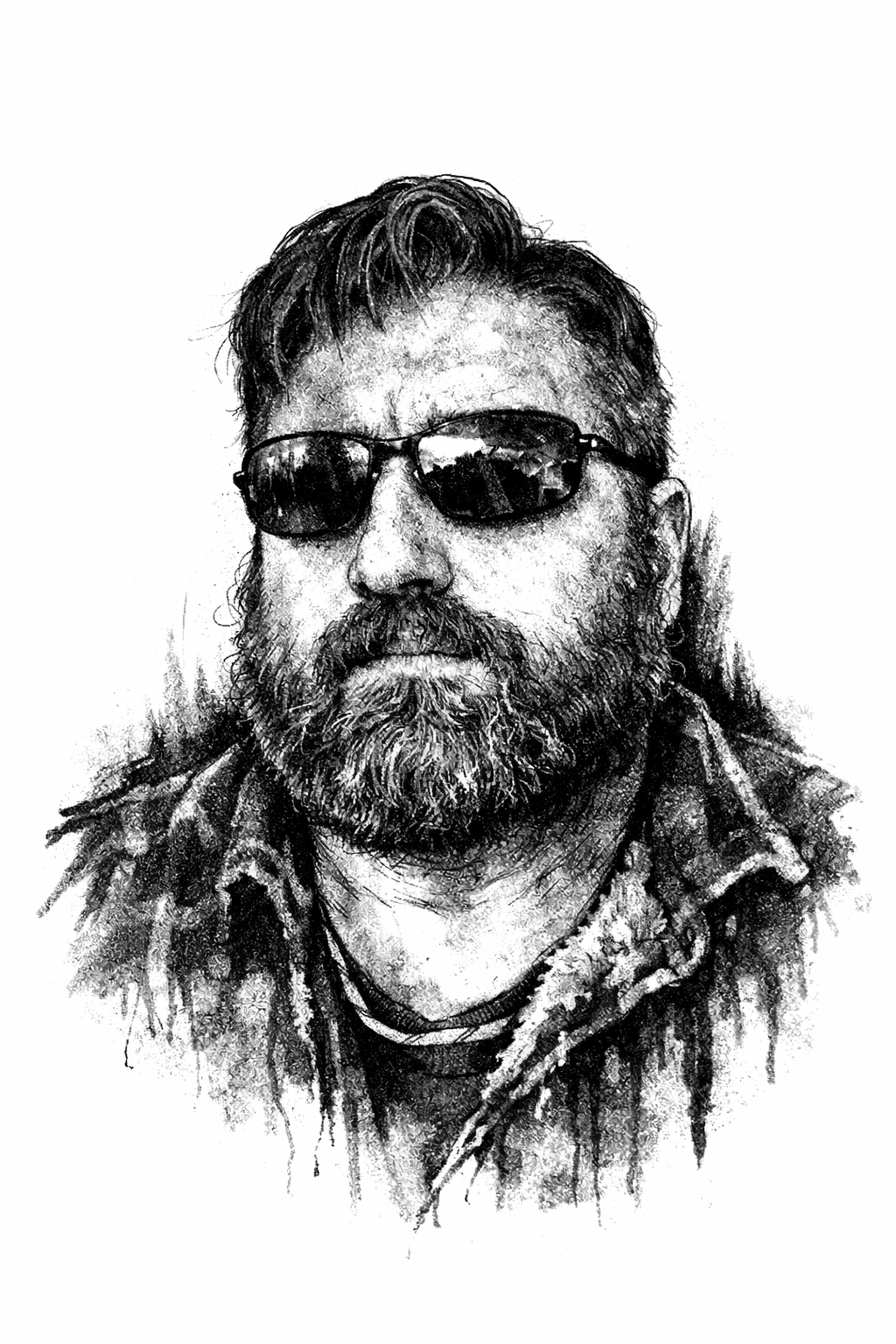
This is my Personal Journey
This is a chapter of my story.
Back to the Page
In 2001, my life changed in a way I never saw coming. I was attacked on my way home from work, and the head injury I suffered was severe enough that I had to relearn how to live. For a year, I crawled before I could walk again, Literally. Even after I got back on my feet, things weren’t the same. The world kept moving forward, but I had to rebuild myself piece by piece inside of it, and somewhere along the way, writing—the thing that had always been there for me—fell out of reach.
Later, I found my way back to the page, but not in any way that felt natural or easy. I started small, writing stories about the undead, dragons, and fragments of worlds that were still clear in my mind. That was the strange part—everything in my head made perfect sense. I could see it, hear it, feel it. But when I wrote it down, it came out jumbled, broken, like something had been lost in translation between my thoughts and my hands. What felt whole in my mind looked scattered on the page. I would spend a day writing, then two more trying to rearrange it into something readable, and sometimes another day after that just to make sense of it. It was slow, frustrating work, but I kept going because it meant I was writing again.
I found help where I could. An English major and a teacher stepped in and helped me work through some of the structure I was struggling with. Around that time, I began writing roleplay stories for a guild I was part of. It gave me direction and a reason to keep pushing forward, even if it could take a full week just to organize my thoughts into something others could follow. It wasn’t perfect, but it was progress, and progress mattered.
Life eventually pulled me away the way it tends to do. I never truly stopped writing, but for years it became scattered—ideas, fragments, pieces of stories that never quite came together. Nearly a decade passed like that. Nine years of writing things that, more often than not, only I could understand. The desire to tell stories never left, but the ability to present them clearly always felt just out of reach.
Then a world came to me in a way I hadn’t experienced before. It was whole, alive, something I could see clearly, even if I still struggled to translate it. Instead of waiting for help, I created my own space and started writing again, this time without a safety net. I built a Discord and began putting the story down as best as I could. That effort turned into fourteen chapters of Tales of the Republic, and from there it grew into more—more chapters, more stories, more books. For the first time in a long while, it felt like something was building.
But I ran into another wall: editing. I had the stories, but I didn’t have the resources. No money to hire help, and no one around me who could consistently work through what I had written. I could read through it and fix some things, but the same disconnect was still there. I knew what I meant, but getting it into a clean, readable form was a constant struggle. So I kept writing and held onto the hope that one day I would find a way to bridge that gap.
About a decade later, that opportunity came in a form I didn’t expect—AI. I’ve always had a bit of a coder’s mindset, so I decided to give it a try. At first, it didn’t go well. It didn’t understand me, and it would rewrite my stories in ways that didn’t feel like mine. It changed the voice, altered the structure, and took something personal and turned it into something distant. I pushed back against that hard. I wasn’t looking for something to write for me; I needed something that could help me express what was already there.
Over time, as the technology improved, something shifted. It started to understand. It stopped replacing my words and began helping me organize them. My ideas, my voice, my prose—those stayed intact. What changed was the clarity. The structure. The ability to take what had always existed in my mind and bring it to the page in a way others could finally follow. For the first time since my injury, it felt like the connection between my thoughts and my writing was being restored.
I didn’t take an easy road to get here. There were years where it felt like I was writing into the void, years where nothing I put down seemed to work the way it should. But I never stopped. I kept building, even when I couldn’t fully use what I had created. Now, after two decades of fighting through that barrier, I’m back where I always wanted to be—on the page, telling the stories that never stopped forming in my mind.
I won’t hide from it—I use AI. Without it, I would have been shut out from this in a way most people will never understand. After my injury, I could see the stories clearly, but getting them onto the page in a way others could follow was a battle every single time. This didn’t give me stories. It didn’t give me ideas. It gave me a way to finally be understood.
I’ve worked for this. I’ve struggled for this. Every word still comes from me—my thoughts, my worlds, my words, my voice. What AI gave me was the ability to organize what was already there, to take something that once looked broken on the page and make it whole enough for others to walk through.
I didn’t take a shortcut to get here. I fought for two decades just to return to the page. And now that I’m here, I’m not letting anything take that away from me.
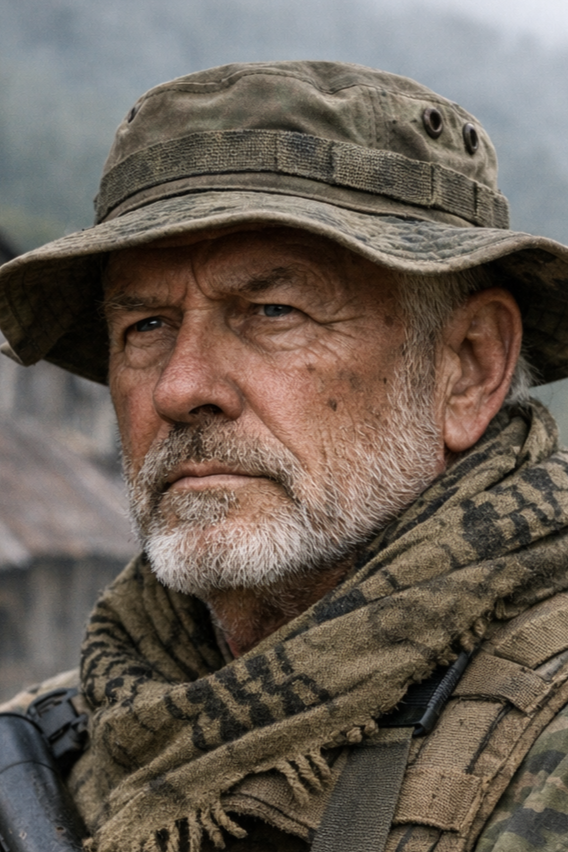
General Samuel Dalton
When I began shaping the world of Tales of the Republic, I knew it couldn’t be filled with only young fighters and desperate survivors. Every hard generation is shaped by those who came before it. Experience matters. Perspective matters. And in a fractured world, wisdom can be as valuable as ammunition.
That’s where General Samuel Dalton comes in.
Dalton is not a man chasing glory. His wars were fought long before the collapse ever reached Kentucky. He spent his life in the United States Army, rising through the ranks and learning the hard truths of command. War looks different from the top. It’s no longer just about bravery or anger. It becomes decisions, logistics, and the terrible understanding that every order carries a cost paid in human lives.
By the time we meet Dalton, he has already left that life behind. He returned home to Kentucky, to land near Hartwell Lake, where the work is honest and the world moves at the pace of seasons instead of battle reports. Farming gave him something the military never could—quiet.
That quiet didn’t last.
When the world fractures and outside powers begin to shape what remains of the country, Dalton doesn’t rush into leadership. In fact, he understands better than anyone what leadership in wartime truly demands. He has seen too many young men sent into the fire. He knows what it means to carry their names long after the fighting ends.
But men like Dalton carry something that becomes invaluable when the world falls apart: clarity.
Where younger men often react with anger, Dalton studies the situation. He reads the land. He reads the people. He understands that survival is not just about winning the next fight—it’s about making sure there is still something left worth defending afterward.
In many ways, Dalton balances the world around Danny Harper.
Danny represents heart, grit, and the stubborn refusal to surrender. Dalton represents patience, strategy, and the long view of history. One is the fire that keeps people moving forward. The other is the steady hand that keeps that fire from burning everything down.
Dalton never wanted another war. But history has a way of pulling certain men back into the fight. When communities begin to gather and defend their homes, someone must help guide them through the chaos. Someone must understand what comes next after the first victory.
Dalton becomes that man.
Not because he seeks power, but because he understands the cost of not having leadership when the world is coming apart.
Characters like Dalton remind me of something important: every generation benefits from the hard lessons of the one before it. The older men who carry quiet experience often become the foundation younger fighters stand on.
In the world of Tales of the Republic, General Samuel Dalton is that foundation.
A soldier who hoped his wars were over.
A farmer who returned to the soil of home.
And when the time came, a leader who understood exactly what freedom demands.
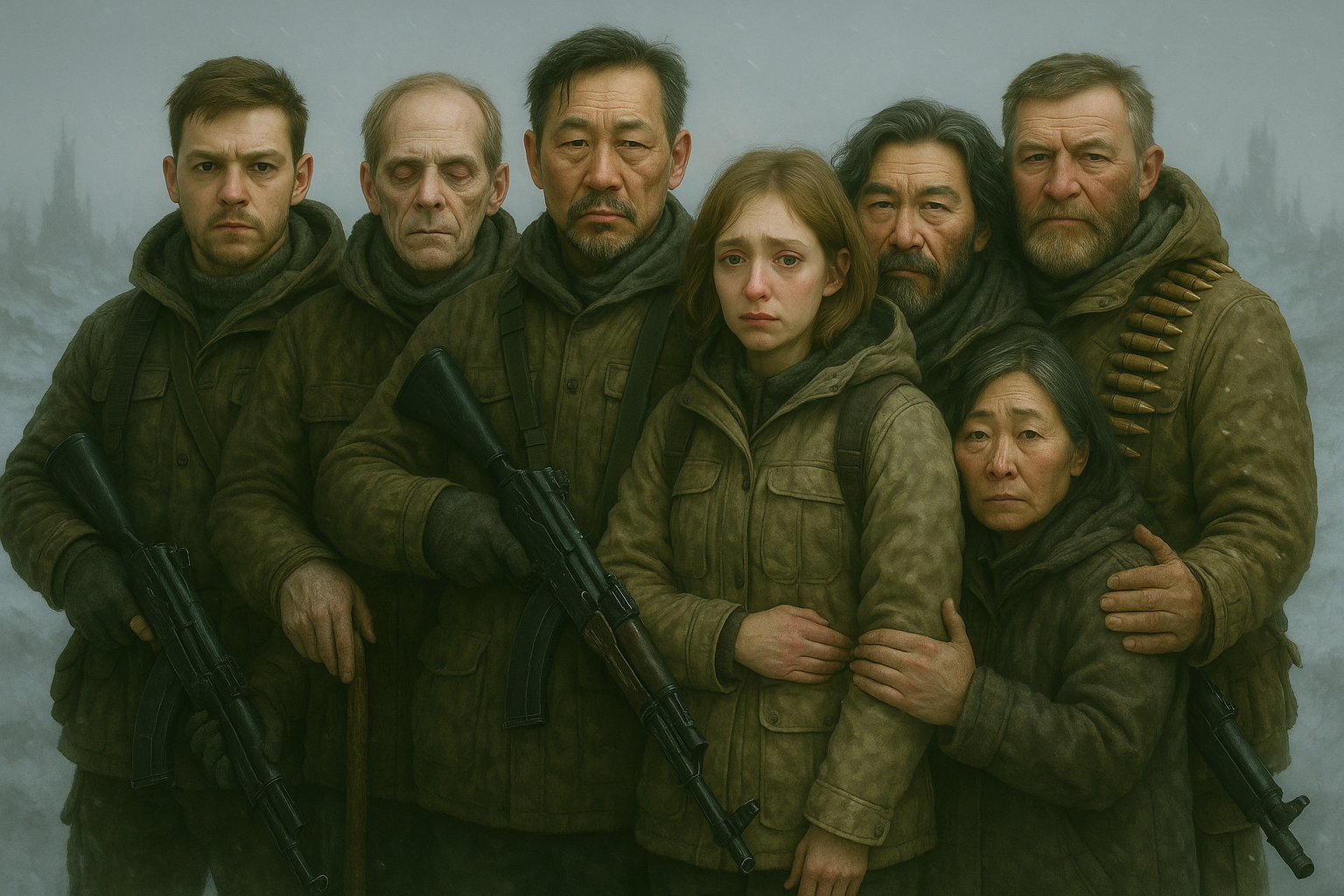
Tales of the Republic
How the World of Tales of the Republic Was Born
Some stories begin with a quiet idea. Others begin with a conversation.
Tales of the Republic began with both.
Years ago I started sharing early ideas for this universe on Discord and in shared documents. At first it was just pieces of a world—fragments of history, characters trying to survive a collapsing society, and the shadow of a virus that would change everything. I would write something, post it, and people would respond. Those conversations slowly turned into something bigger.
Before long a group of us began playing a video game together that carried the same kind of atmosphere I was trying to build in the books. My wife and I were there. My brother. My sons. Veterans, writers, everyday working folks, and a few rough characters who had lived hard lives. People from all walks of life gathered in the same digital space.
What started as a game quickly became something more.
While we played, we talked. Stories were shared. Personal experiences shaped characters. Moments from those late-night sessions found their way into the world I was building. Slowly, those voices and personalities began weaving themselves into the fabric of Tales of the Republic.
Some of the characters readers will eventually meet in the later European arc of the series were born in those conversations. They were inspired by real people—ordinary men and women who brought their own perspectives, humor, struggles, and strength into the story.
The result was a world that feels lived in.
In the pages of Tales of the Republic, you will meet ordinary heroes doing their best to survive in extraordinary circumstances. Some fight the virus. Some resist the power of the UCN. Others simply try to protect the people who can no longer fight for themselves.
Along the way you will also meet villains. Not monsters without reason, but people shaped by the same broken world as everyone else. In this universe, the line between hero and villain can sometimes be thin, and understanding why someone chooses the path they do is part of the journey.
Through these stories we see compassion and cruelty, loyalty and betrayal, love and loss. And we see the heavy cost that often comes with trying to do what is right when the world around you has fallen apart.
This universe didn’t grow from one mind alone. It was shaped by conversations, friendships, and shared imagination across many late nights and long discussions.
Now those stories are ready to be told.
If you want to step into this world and meet the people who inhabit it, the journey begins with:
Tales of the Republic: Kentucky Blood
This is where the road starts.
The rest of the saga has already been written and secured through the U.S. Copyright Office, and those books will be released in the future as the story continues to unfold.
For now, the first step is waiting.
Welcome to the Republic.
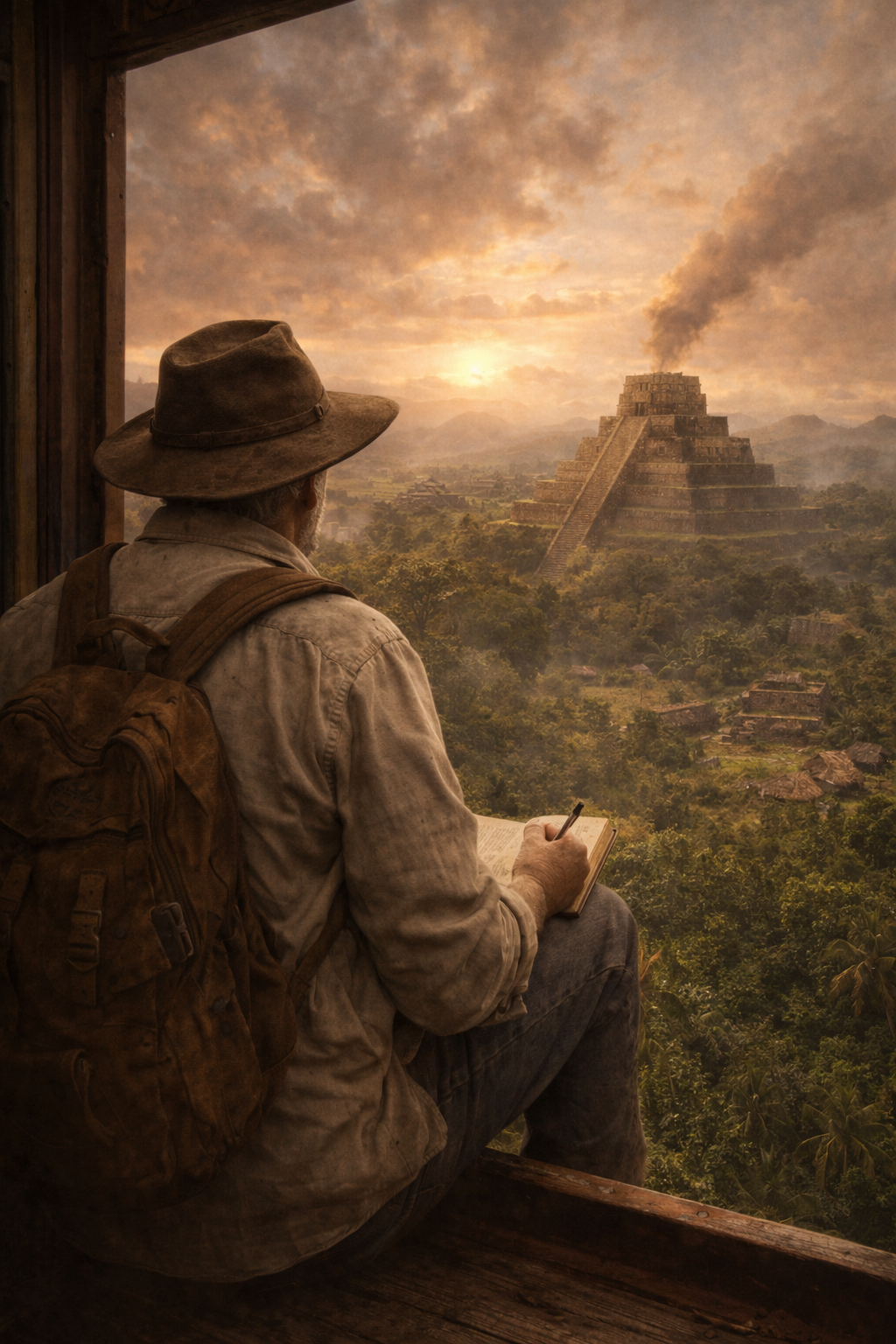
Reflections from the Boxcar
Riding the Freight Train of Literature
By Gary Bowman
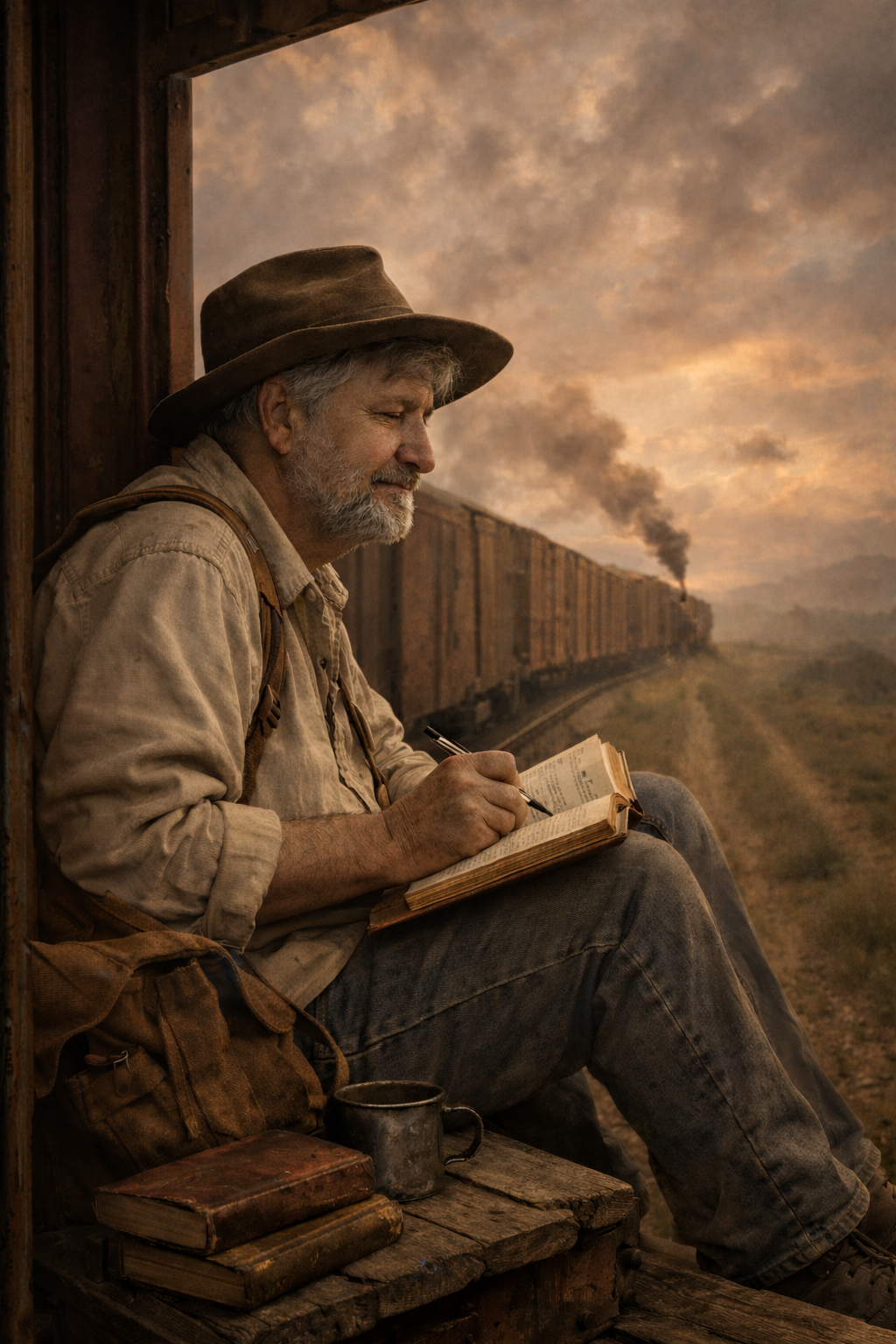
I’m just a hobo riding the freight train of literature.
No assigned seat.
No fixed destination.
Writing, for me, has never been about standing still. It’s been about movement.
It started when I was a young boy — just a pencil and a piece of paper. Later, my mother bought me a typewriter. Big. Sleek. Old… beautiful. That was my first train station. My platform. When I wrote, I left the station — and I didn’t come back until the story was finished.
I didn’t come into this journey with a grand publishing roadmap or a polished marketing machine. I came into it the same way a lot of old travelers step onto a slow-rolling freight — with a story in my bones and a need to see where the track runs.
I hop off where the story slows down. I walk the dirt roads of a new world. I listen. I watch. I breathe the air of places that don’t exist on any map — and then, when it’s time, I climb back aboard and let the wheels carry me somewhere else.
In 2015 it carried me into the fractured landscapes of Tales of the Republic, where the world trembles under the weight of The Last War and ordinary people are forced to decide who they really are when everything familiar burns away. I walked those hard Kentucky backroads beside Danny Harper. I stood in the quiet tension of the Green Zones. I felt the cold edge of a future that feels just a little too possible.
And the truth is — that journey isn’t finished. There are more miles already written. More stories waiting in the yard. Parts of Tales of the Republic are still unreleased, still gathering steam, waiting for the right moment to roll down the line.
Then the rails bent toward darker timber.
The Veiling pulled me into the thin places — the moments where the seen world and the unseen world press up against each other like breath on glass. That journey wasn’t about speed. It was about silence. About watching shadows stretch just a little too far and asking what might be standing just beyond the light.
From there, the train pushed deeper into the woods.
The Dominion wasn’t just a destination — it was an emotional country. A place of family strain, quiet faith, and the kind of private pain people carry without speaking. Walking beside Luke and Mary meant slowing down… listening harder… feeling the weight that love sometimes carries when the world has already taken too much.
And then came older roads. Older dust.
With Nipetaw, the track ran backward through time and forward toward something far more dangerous. Ancient soil. Buried sickness. Civilizations standing on the edge of something they cannot yet see. That journey reminded me of something important: sometimes the most dangerous things in a story aren’t what was carried in… but what was already there, waiting.
Every world I’ve written has been another stretch of rail laid down in the dark.
Some tracks run through war.
Some through grief.
Some through faith.
Some through the quiet strength of ordinary people who refuse to quit even when the world gives them every reason to.
But all of them — every single one — I’ve walked first in my mind like a dusty road at sunset.
That’s the truth of this life I’ve stumbled into.
I’m not sitting in the dining car with a printed ticket and a neat itinerary.
I’m riding the boxcar.
Wind in my face. Notebook in my lap. Listening to the steel sing under the wheels and watching the horizon for the next place the story wants me to step off and explore.
Because every book is another stretch of track laid through places that don’t exist…
— except they do.
Because I’ve walked them.
— Gary Bowman
Nipetaw: Blood of the fifth Sun
Looking Out from the Boxcar
I’ve been riding the freight train again.
Not the clean passenger kind with a ticket and a printed schedule. I’m talking about the kind that rattles. The kind that groans through curves. The kind where you sit on the floor of an open boxcar and let the wind hit your face while the world slides by in long stretches of earth and sky.
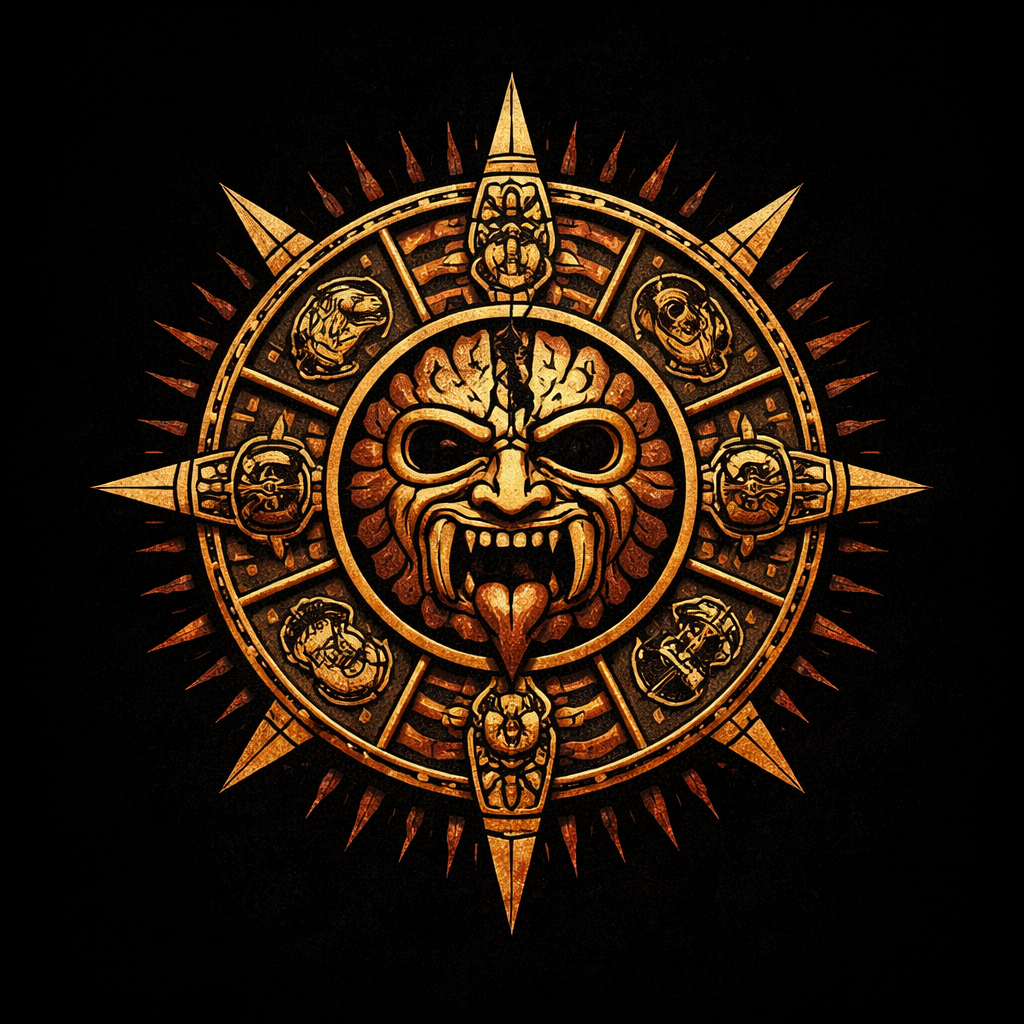
That’s what writing Nipetaw: Blood of the Fifth Sun has felt like so far.
I’m not steering this train. I’m riding it.
And right now, I’m somewhere between sunrise and storm.
When I started this book, I knew the destination. I always do. I know the bend in the track up ahead, even if I don’t know every fence post along the way. But getting there — that’s the work. That’s the dust in your teeth and the cold boards beneath your boots. That’s watching a landscape unfold slowly instead of rushing through it.
I’ve spent these chapters walking stone corridors and shoreline sand. I’ve stood beside priests who speak in rhythm instead of argument. I’ve watched warriors measure steel with steady eyes. I’ve followed laborers home to reed mats and evening smoke. I’ve listened to drums fade into night.
What I love most about being this far into it is the weight.
Not plot weight. Not spectacle.
Weight of people.
There’s something sacred about slowing down enough to let a world breathe before you tear it open. Before history crashes in. Before the fire.
I don’t want cardboard heroes or convenient villains. I want men who are disciplined. Women who are strong. Leaders who think before they move. Warriors who understand what they’re seeing. Laborers who sweep steps at dawn and kiss their children before sleep.
Because when things shift — and they always do — it matters more.
Writing this story has forced me to sit still in cultures and rhythms that deserve respect. No shortcuts. No modern language slipped in because it’s easier. I’ve had to listen carefully. Strip words down. Let them breathe differently.
It’s not fast writing.
It’s freight writing.
The kind where you look out the open door of the boxcar and watch the land roll past mile by mile. Where you feel the shift in track beneath you before you see the curve ahead. Where you know the train is moving toward something heavy, but you don’t rush it.
Right now, the city still stands.
The drums still sound.
Men still laugh around campfires.
And from where I’m sitting — boots against wood, wind in my face — I can see the horizon stretching wide and patient.
There’s thunder somewhere out there.
There’s stone older than memory waiting in the south.
But for now, I’m just riding.
And I’m grateful for the stretch of track I’m on.
— Gary Bowman
Nipetaw: Blood of the Fifth Sun
Riding the Rails to 1519
I’m a hobo riding the freight train of literature, hopping boxcars between the worlds I build, chasing stories wherever the rails decide to run.
Sometimes the train takes me through Kentucky farmland.
Sometimes into dark forests.
This time it carried me to 1519.
I didn’t plan to go there.
But I kept seeing it.
Stone rising from water.
Drums in the distance.
A city under a sun the people believed was the fifth and final one.
When I step into a new world, I don’t step in loud. I sit quiet first. I watch. I listen. I let the people who lived there breathe before I start moving anything around.
So I started reading.
I studied the rise of the Mexica. I traced the fall of Tenochtitlan. I read Spanish accounts. Indigenous codices. Timelines. Trade routes. Political structures. Religion. The weight of belief in a world built on ritual and order.
I didn’t want spectacle.
I wanted to understand.
Because when you write about a civilization that once held millions of lives inside its stone walls, you don’t get to be careless. You don’t get to treat it like scenery.
You sit in the dust awhile.
You walk the causeways in your imagination.
You stand in the shadow of the Templo Mayor and feel how small you are.
That’s where Nipetaw began.
Not with a virus.
Not with blood.
But with a question.
What if history named the wrong killer?
The more I researched the conquest, the more I realized something important: people living in 1519 didn’t understand pathogens. They understood omens. They understood punishment. They understood fear.
And fear spreads faster than any sickness.
From there the rails kept running.
A priest who believes he is serving the gods.
A ruler unraveling under grief.
A seer who warns but is misunderstood.
A laborer who carries the weight of decisions he never made.
That’s when I knew this wasn’t just a historical setting.
It was a tragedy.
And tragedies require care.
So I mapped the timeline. I sketched the social hierarchy. I traced indigenous trade routes. I studied the geography around the Valley of Mexico. I looked at limestone cave systems. I asked hard questions about disease transmission, burial practices, and how oral legend survives generations.
The freight train doesn’t move fast when you’re laying track ahead of it.
You stop at small towns.
You ask questions.
You double back.
You throw out ideas that don’t hold.
That’s the work most readers never see.
Planning.
Outlining.
Re-outlining.
Building character sheets.
Letting the world breathe long before the first line of dialogue is written.
And somewhere in that process, I stopped being a visitor in 1519.
I started feeling like I was walking beside them.
That’s when I knew the story was ready.
Nipetaw: Blood of the Fifth Sun isn’t just about conquest.
It’s about belief.
It’s about responsibility.
It’s about the cost of disturbing what should remain buried.
And like any good freight train ride, I don’t entirely know where all the rails will lead yet.
I just know I’m on board.
— Gary Bowman
Daniel “Danny” Harper
The Making of Danny Harper
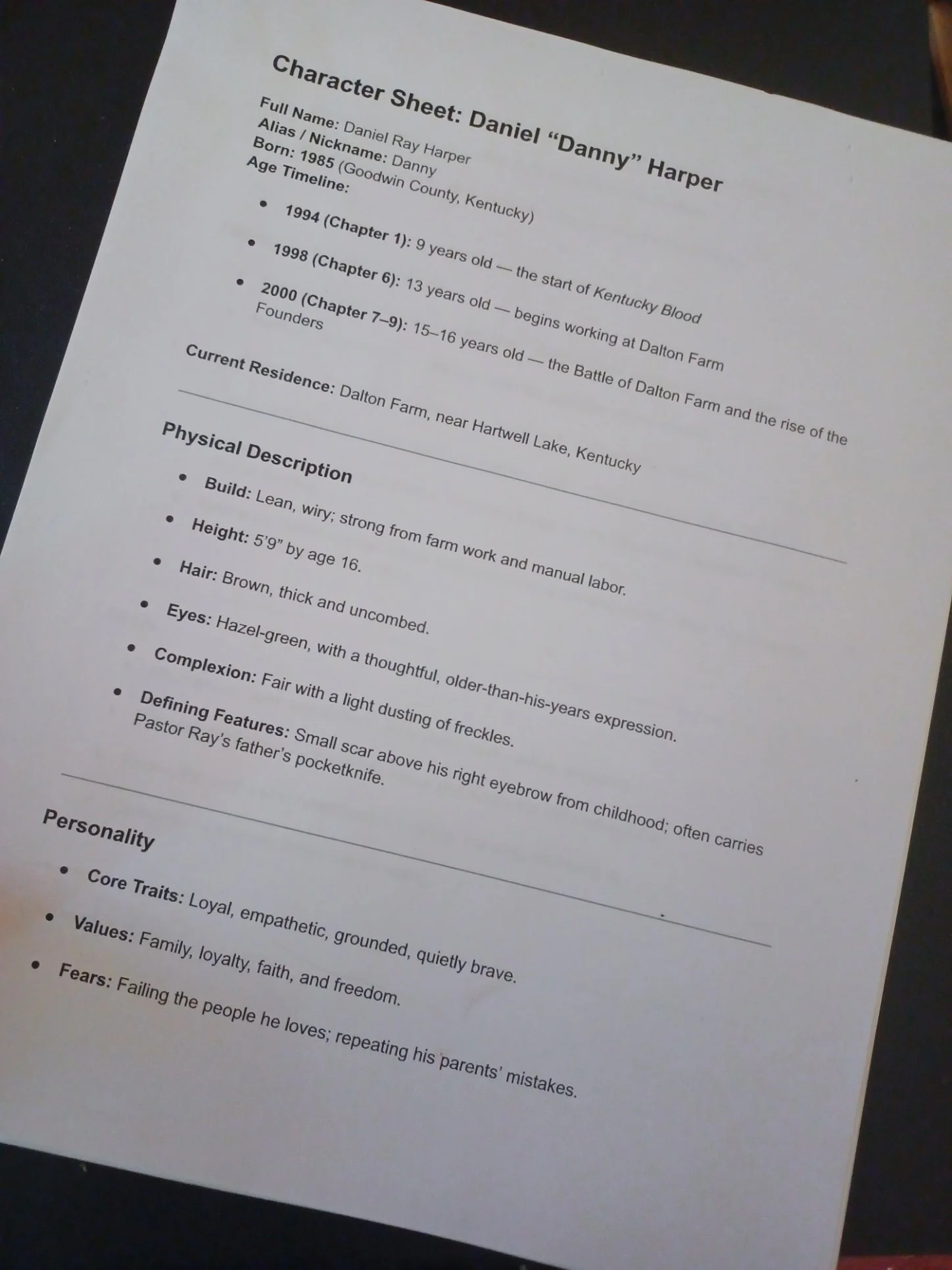
When I first began envisioning Daniel Harper, I knew I didn’t want a perfect hero. I wanted a good young man. The kind of young man who grew up knowing how to work hard. The kind who said “yes ma’am” and “yes sir” without being told twice. The kind who stood when an elder entered the room.
I didn’t have to look far for that model.
When I think of a young Danny, I remember my own upbringing. My home life wasn’t always steady. There were hard days. Confusion. Struggle. But even in the middle of that mess, one thing stayed with me — respect.
Respect for elders.
Respect for hard work.
Respect for those who earned it.
That shaped me. And it shaped Danny.
I never had a General Dalton guiding me through strategy. I never had a Ray standing in quiet pastoral strength beside me. But I had my father. And my father taught me something that lasts longer than comfort — work ethic.
He showed me that you show up.
You carry your weight.
You don’t quit just because it’s hard.
So when I built Danny Harper, I gave him that gift. The willingness to work. The instinct to stand. The refusal to fold under pressure.
Danny’s strength doesn’t come from being fearless. It comes from enduring. Through loss, through confusion, through moments that would break most men, he keeps moving forward.
And here’s something I’ve learned — perseverance is often invisible when we’re living it. When you’re in the middle of struggle, you don’t feel strong. You feel tired. You feel uncertain. You feel like you’re barely holding it together.
It’s only later, when safety returns and the dust settles, that you look back and realize:
You didn’t quit.
There’s inspiration in that. Not the loud kind. Not the kind that makes headlines. But the quiet kind that builds families, communities, and sometimes even fictional heroes.
Danny Harper carries that quiet resilience.
And in many ways, he carries pieces of the boy I used to be.
Creating Mary
Writing The Dominion: Stepping Into Her Silence
When I began writing The Dominion, I didn’t start with monsters in the woods or ancient pages turning on their own.
I started with a woman.
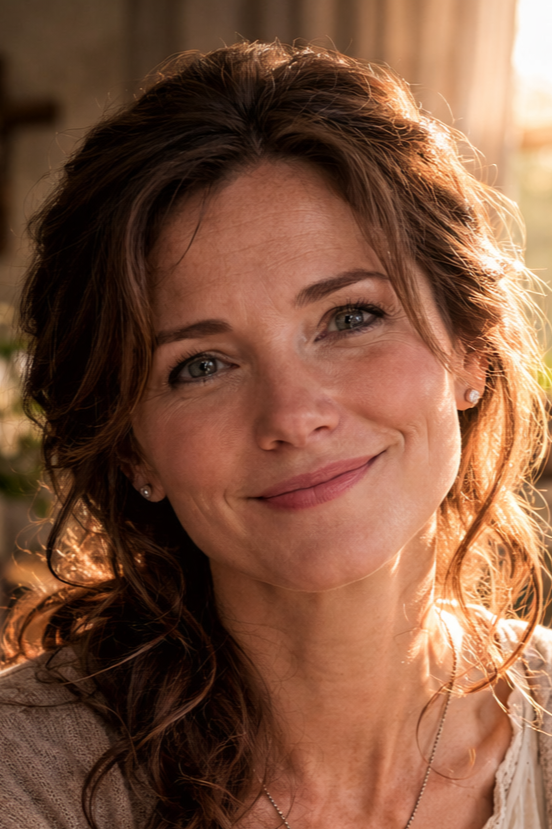
To write her honestly, I had to place myself in her shoes. That wasn’t easy. She is quiet. Loyal. Loving. Timid in a way the world often overlooks. A Christian woman who believes deeply in binding herself to her husband—not out of weakness, but out of conviction.
But conviction does not mean she doesn’t feel.
I did not want her to be a shadow in her own home. I didn’t want her to exist only in reaction to the men around her. She had to have her own inner world—her own dreams, her own disappointments, her own quiet conversations with God.
She carries a chronic migraine condition, and that detail became more than physical. It became symbolic. The world presses in on her constantly. Light hurts. Noise hurts. Stress hurts. And still she moves through her days trying to keep the family steady.
There is a quiet defeat in her—not dramatic, not explosive. The kind many people live with. The kind that doesn’t announce itself but settles slowly over time.
When Luke finally has to admit his infidelity, I felt something shift as I wrote it. Not anger first—but a strange, aching sense of justification. She wasn’t crazy. She wasn’t imagining distance. She wasn’t overreacting.
The truth hurt.
But it also validated what her heart had known.
As I wrote that scene, I felt her hurt. I felt the breaking of trust. I felt the fracture running through the family dynamic—not just between husband and wife, but through the children, the home, the very air in the room.
It brought tears to my eyes.
Not because it was dramatic.
But because it was real.
One of the most difficult things about writing The Dominion was realizing that the horror in the story is not just supernatural. It isn’t only ancient forces or unseen darkness. Sometimes the true fracture begins in the quiet places—where loyalty is strained, where faith is tested, where entertainment and distraction slowly erode connection.
To write her was to confront something deeper: that strength doesn’t always shout. Sometimes it endures.
And sometimes endurance costs more than rebellion ever would.
If readers feel her pain, her restraint, her quiet dignity—it’s because I had to sit in it first. I had to let myself feel it fully.
That is the part of writing no one sees.
But it is the part that makes the story breathe.
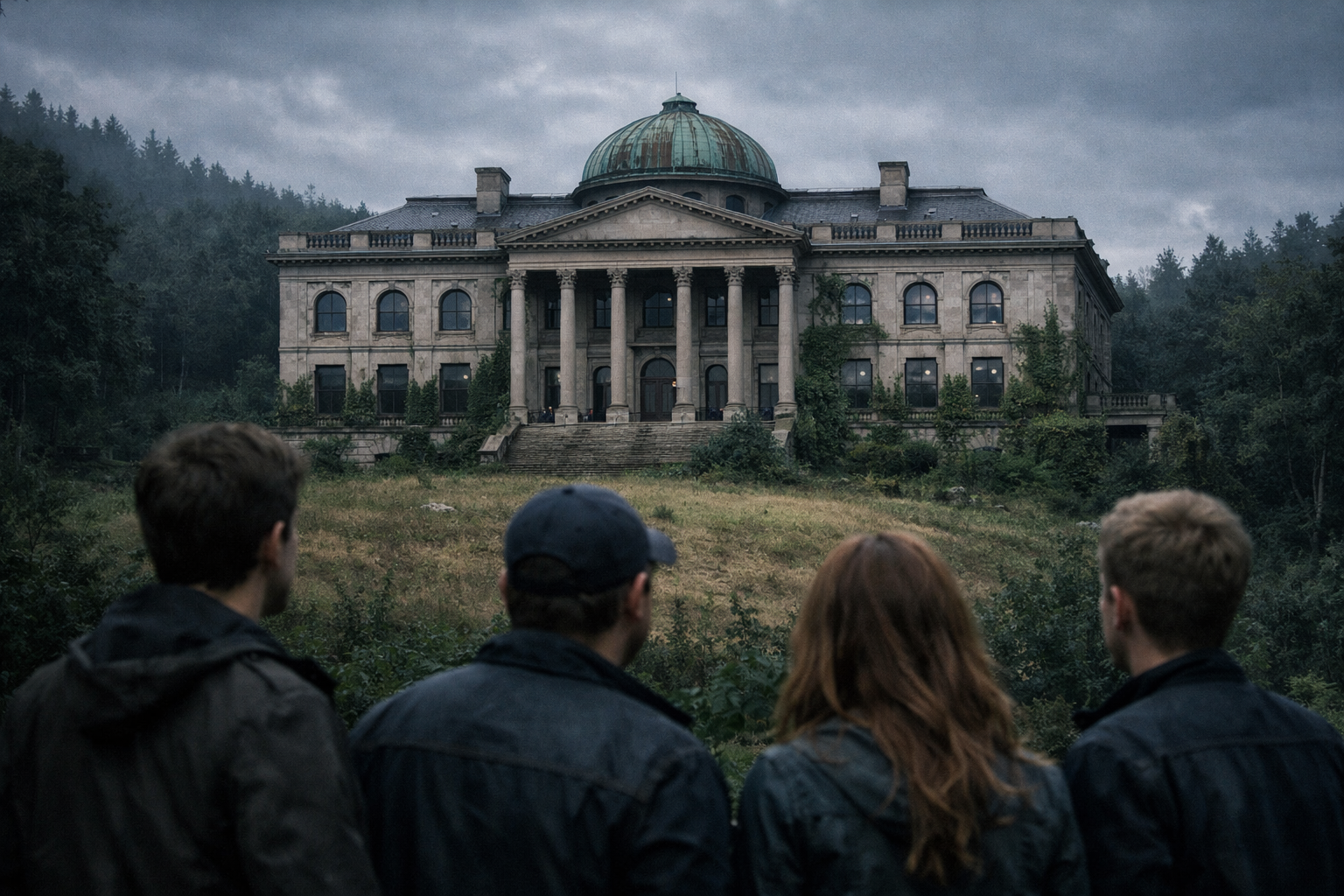
The Veiling
Faith over fear.
The Veiling: Wrestling With What Comes After
I have always been religious — not out of habit, not out of tradition, but for my own personal reasons. Faith, for me, has never been abstract. It has been something lived.
When you truly see evil — not inconvenience, not disagreement, but real evil — something in you recognizes that there must also be its opposite. Darkness only makes sense if light exists. Corruption only makes sense if something pure stands against it. For me, witnessing the reality of evil strengthened my belief that God is real.
But belief raises questions.
I have often tried to imagine how humanity would pass from this present system — flawed, broken, violent, prideful — into the perfect government of God’s Kingdom. Scripture speaks of that transition, but it does not soften it.
In Revelation 6:12–17 (KJV), the opening of the sixth seal is described:
A great earthquake.
The sun turned black as sackcloth.
The moon became as blood.
The stars of heaven fell.
The sky departed as a scroll.
Every mountain and island moved out of place.
It is not poetic comfort. It is upheaval. It is divine judgment.
And if I’m honest, that passage always unsettled me.
It is terrifying to picture the foundations of the world shaking — seas roaring, heavens darkened, systems collapsing. Yet Scripture does not present it as chaos without purpose. It is judgment. It is correction. It is the tearing down of what cannot remain.
Those with faith would not be spared the sight of it. They would have to endure it. They would have to weather the judgments poured out upon the “seas” of the world — the masses, the nations, the systems that defied their Creator.
That tension stayed with me.
How does a loving God allow such upheaval?
How does humanity cross from disorder into divine order?
What does that transition look like for ordinary people — fathers, mothers, children?
The Veiling was born from that wrestling.
In my own fictitious mind, I tried to rationalize and envision what that crossing might feel like. Not just from a prophetic distance, but from ground level. What would it be like to stand in a world where the veil between what is seen and unseen begins to thin? Where judgment is not metaphor, but event?
The Veiling is not an attempt to rewrite Scripture. It is an exploration — a story that imagines the emotional, spiritual, and human weight of that moment. It asks what happens when the unseen presses closer. When evil is exposed. When faith is no longer theoretical.
We live in a world that often treats the spiritual as symbolic or distant. But what if it isn’t? What if the veil is thinner than we think?
For me, writing The Veiling was not about fear. It was about understanding. It was about asking how flawed people — people like us — could stand in the middle of divine upheaval and still hold onto hope.
Because if judgment is real, then so is redemption.
And if the shaking comes, it is not the end of the story.
It is the beginning of a Kingdom that does not break.
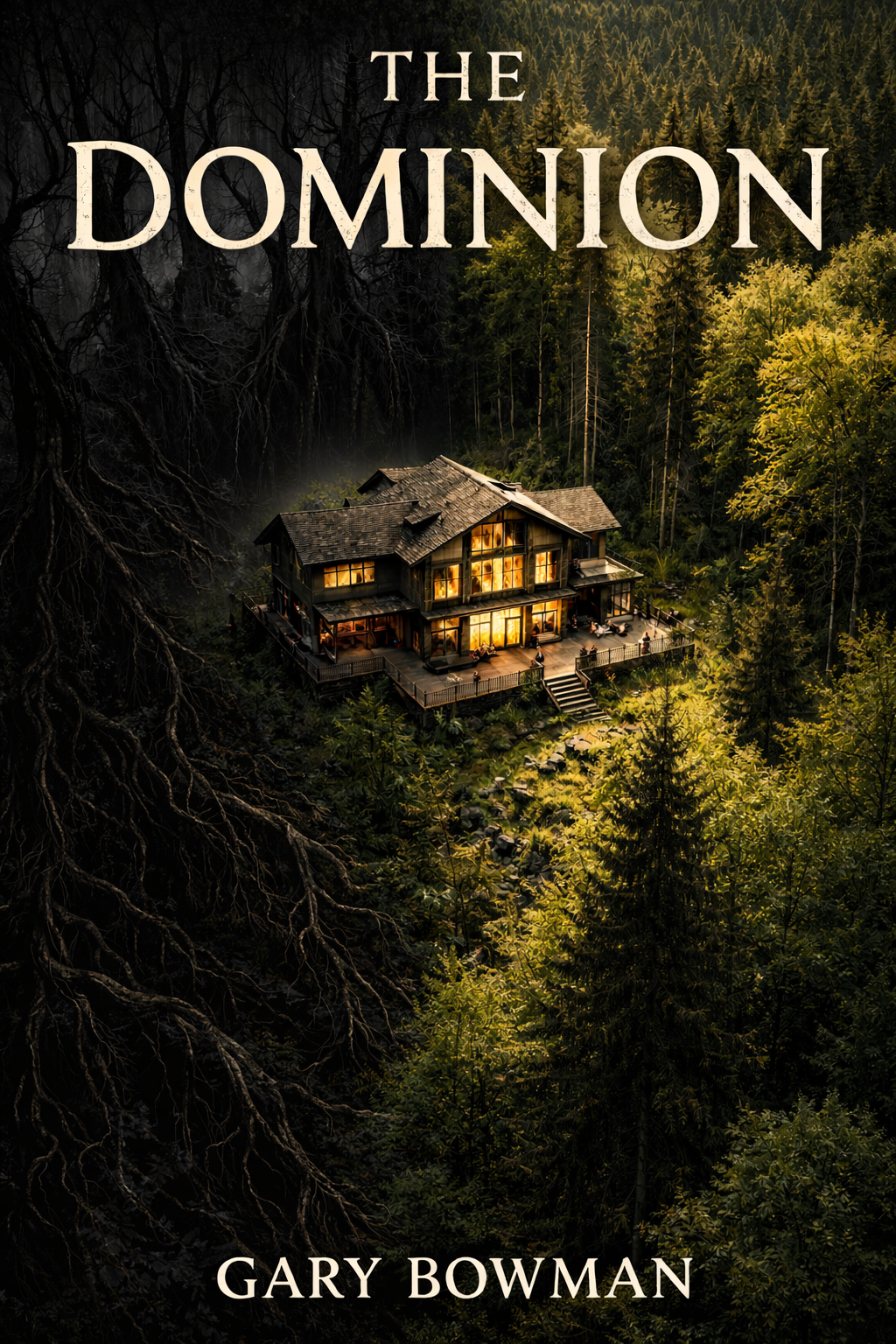
The Dominion
It All Began Here
There’s something about cleaning cabins deep in the woods that slows your mind down.
No traffic. No television. No noise except wind in the trees and the hum of a vacuum against wooden floors. The work is simple and repetitive, and that kind of quiet has a way of letting ideas surface that normally get drowned out by everyday life.
That’s where the idea for The Dominion began.
At first it wasn’t a story. It was a metaphor that wouldn’t leave me alone. A question, really: what if the things we treat as harmless entertainment are not as harmless as we think? What if stories, images, and ideas are more like seeds than distractions?
Human processing speed is slow. We don’t change overnight. We absorb. We normalize. We adapt in small, almost invisible steps. What feels shocking today becomes ordinary tomorrow, and eventually it becomes expected.
The thought crept in while I was wiping down countertops and making beds: entertainment isn’t just something we consume. It’s something that quietly shapes the rooms inside our minds.
Ideas need a place to live.
Stories give them shelter.
The Dominion began as an exploration of that idea — not as a lecture, but as a story. Fiction has always been a safe way to examine dangerous questions. It lets us explore uncomfortable possibilities from a distance, the way you might watch a storm from the safety of a porch.
What happens when the line between harmless fiction and shaping belief begins to blur?
What happens when stories stop reflecting culture and start quietly steering it?
I don’t have all the answers. That’s not the point.
This book started as a question I couldn’t shake while cleaning a quiet cabin in the woods, and it’s still a question I’m trying to understand.
As I kept writing The Dominion, the idea stopped being abstract.
It became a family.
I started imagining a home slowly pulled apart — not by violence, not by tragedy, but by distraction. Screens glowing in separate rooms. Conversations getting shorter. Laughter becoming rarer. Even when everyone was together, they weren’t really together.
That thought unsettled me more than anything else.
We often think of entertainment as harmless because it feels passive. Relaxing. A reward after a long day. And in many ways, it can be. Stories can inspire, comfort, and bring people closer.
But like anything powerful, it has a shadow.
While writing, a question kept surfacing: what if the real danger isn’t what entertainment shows us, but what it slowly replaces? Quiet conversations. Shared meals. Bored moments that turn into meaningful ones. The simple act of being present with the people we love.
A family doesn’t break all at once.
It drifts apart a few minutes at a time.
That realization hit closer to home than I expected. It made the story feel less like fiction and more like a warning whispered in the background of everyday life.
The Dominion stopped being just a metaphor about ideas.
It became a story about attention… and what happens when we give too much of it away.